

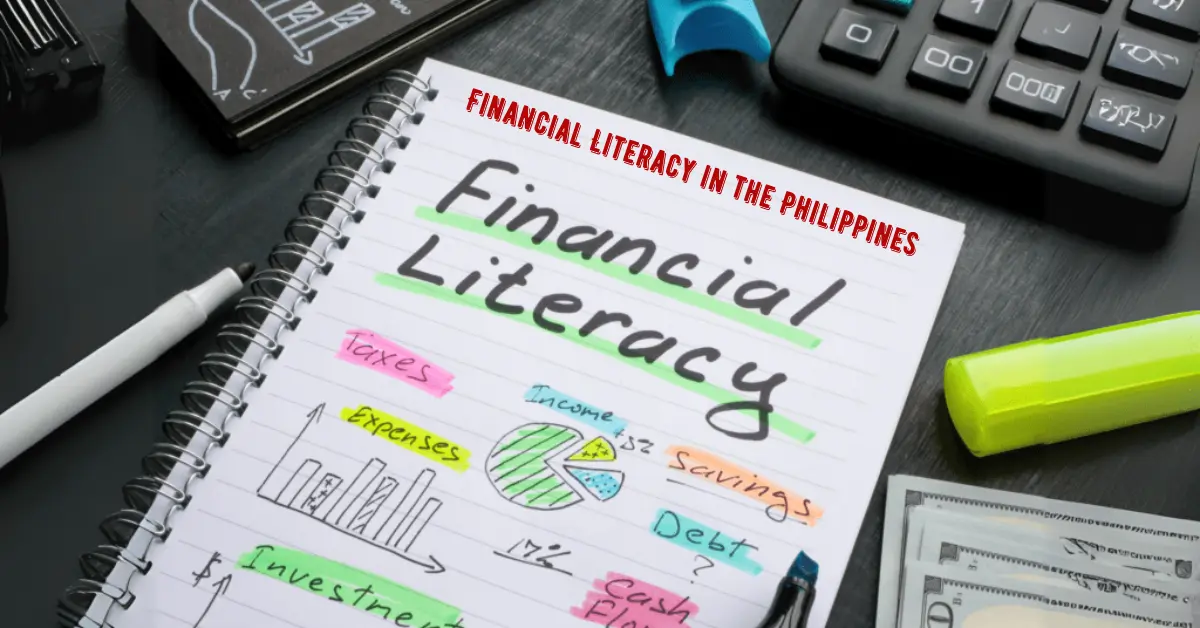
Financial literacy has become an increasingly important topic around the world, especially in developing economies where individuals must navigate complex financial decisions with limited resources. In the Philippines, financial literacy is more than just understanding how money works—it is a crucial life skill that can help individuals escape poverty, build stability, and create a more secure future for themselves and their families. Despite economic growth in recent years, many Filipinos still struggle with financial management, debt, savings, and investment decisions. Improving financial literacy across the country has the potential to significantly enhance personal well-being and contribute to national economic development.
This article explores the current state of financial literacy in the Philippines, why it is important, the challenges that exist, and the steps that individuals, institutions, and the government can take to improve financial awareness and financial decision-making.
Understanding Financial Literacy
Financial literacy refers to the ability to understand and effectively use various financial skills. These skills include budgeting, saving, investing, managing debt, understanding financial products, and planning for long-term financial goals. A financially literate person knows how to make informed financial decisions and can evaluate risks and opportunities when dealing with money.
In practical terms, financial literacy means knowing how to create a household budget, understanding the importance of saving regularly, using credit responsibly, and recognizing the benefits of long-term financial planning. It also includes understanding financial services such as bank accounts, insurance policies, loans, and investment products.
For many people, financial literacy is not something that is formally taught in school. Instead, it is learned through experience, family guidance, or trial and error. Unfortunately, when financial knowledge is limited, individuals often make costly mistakes that can lead to debt, financial stress, and long-term instability.
May be you Like it :
Financial Literacy Worksheets – Building a Strong Foundation for Money Management
Financial Literacy in the Philippines – Why It Matters and How It Can Transform Lives
Financial Literacy Articles – Why They Matter and How They Empower People
Financial Literacy Syllabus DU – A Complete Guide for Students
The Current State of Financial Literacy in the Philippines
Financial literacy in the Philippines remains a significant challenge. Surveys conducted over the past decade have shown that many Filipinos lack a strong understanding of basic financial concepts such as interest rates, inflation, and risk diversification. This lack of knowledge affects how individuals manage their finances and plan for the future.
A large portion of the population does not regularly save money, and many households live paycheck to paycheck. Emergency savings are often limited, which leaves families vulnerable to unexpected expenses such as medical emergencies, job loss, or natural disasters.
Another major issue is the limited participation of Filipinos in formal financial systems. While banking access has improved in recent years due to digital banking and mobile financial services, a considerable number of people still rely on informal financial practices. These may include borrowing from friends, family, or informal lenders, which can sometimes lead to high interest rates and financial instability.
The rise of online financial platforms has also introduced new opportunities and risks. While digital tools make financial services more accessible, they also expose individuals to scams, fraudulent investment schemes, and misinformation. Without adequate financial literacy, many people become vulnerable to these risks.
Why Financial Literacy Matters in the Philippines
Financial literacy plays a critical role in improving the quality of life for individuals and families. In the Philippines, where economic inequality remains a challenge, financial knowledge can empower people to make smarter financial decisions and build financial resilience.
Reducing Poverty
One of the most significant benefits of financial literacy is its ability to help reduce poverty. When individuals understand how to budget, save, and invest, they are better equipped to manage their resources effectively. Even small changes in financial behavior—such as setting aside a portion of income for savings—can have a significant long-term impact.
Financial literacy can also help individuals avoid high-interest debt and predatory lending practices, which often trap low-income families in cycles of financial hardship.
Encouraging Savings and Investments
Savings and investments are essential for long-term financial security. However, many Filipinos struggle to save consistently due to limited income and a lack of financial planning. Financial education can teach individuals how to prioritize savings and develop realistic financial goals.
Investments are another area where financial literacy is critical. Understanding investment options such as mutual funds, government bonds, and retirement plans can help individuals grow their wealth over time.
Preparing for Emergencies
The Philippines is prone to natural disasters such as typhoons, floods, and earthquakes. These events can have devastating financial consequences for families that are not financially prepared. Financial literacy encourages the creation of emergency funds and promotes the use of insurance products to protect against financial risks.
Having a financial safety net can help families recover more quickly from unexpected events and reduce the long-term impact of financial shocks.
Supporting Economic Growth
Financially literate citizens contribute to a stronger national economy. When people save money, invest in businesses, and use financial services responsibly, they help stimulate economic activity. Financial literacy also promotes entrepreneurship by giving individuals the knowledge they need to start and manage businesses effectively.
A population that understands financial systems is better equipped to participate in the formal economy, which can lead to higher productivity, greater financial inclusion, and sustainable economic growth.
Key Financial Literacy Challenges in the Philippines
Despite its importance, financial literacy in the Philippines faces several challenges that must be addressed to achieve widespread improvement.
Limited Financial Education in Schools
One of the biggest obstacles to financial literacy is the lack of comprehensive financial education in the formal school system. While some schools have begun incorporating basic financial topics into their curriculum, financial education is not yet consistently taught across all educational levels.
As a result, many young adults enter the workforce without the knowledge needed to manage their finances effectively.
Cultural Attitudes Toward Money
Cultural factors can also influence financial behavior. In many Filipino families, financial responsibilities are shared among extended family members. While this strong sense of family support is admirable, it can sometimes create financial pressure on individuals who are expected to provide financial assistance to relatives.
Additionally, spending habits influenced by social expectations and celebrations can sometimes make it difficult for individuals to prioritize savings and long-term financial planning.
Low Income Levels
Another challenge is that many Filipinos earn relatively low wages, making it difficult to save money even when they understand the importance of doing so. Financial literacy alone cannot solve income inequality, but it can help individuals maximize the value of the resources they do have.
Exposure to Financial Scams
Financial scams and fraudulent investment schemes have become increasingly common in the Philippines. These schemes often promise unrealistic returns and target individuals who lack financial knowledge.
Without proper financial literacy, people may struggle to identify warning signs and protect themselves from these scams.
The Role of Government and Institutions
Improving financial literacy requires a coordinated effort from multiple sectors, including the government, financial institutions, educational institutions, and community organizations.
Government Initiatives
The Philippine government has recognized the importance of financial education and has implemented several initiatives aimed at improving financial literacy. These initiatives often involve partnerships between government agencies, banks, and educational institutions.
Programs focused on financial inclusion aim to increase access to banking services and promote responsible financial behavior. Public awareness campaigns, seminars, and community training programs are also used to educate citizens about budgeting, savings, and financial planning.
Banks and Financial Institutions
Financial institutions play a key role in promoting financial literacy. Many banks in the Philippines offer financial education programs, workshops, and online resources to help customers better understand financial products and services.
By simplifying financial products and improving transparency, financial institutions can make it easier for consumers to make informed financial decisions.
Schools and Universities
Educational institutions have a powerful opportunity to shape the financial habits of young people. Integrating financial literacy into school curricula can help students develop essential money management skills from an early age.
Topics such as budgeting, saving, credit management, and investment basics can prepare students for the financial responsibilities they will face in adulthood.
Nonprofit and Community Organizations
Nonprofit organizations and community groups also contribute to financial literacy efforts by providing training and educational resources to underserved communities. These programs often focus on practical financial skills that can immediately improve the financial well-being of participants.
May be you Like it :
Financial Markets Images – Essential Visuals for Trading Charts and Stock Market Insights
Financial Markets Class 12 Notes – Complete and Easy Guide
Stock Market 2026 Predictions – Trends, Opportunities, and Risks for Investors
Stock Market Xmas Eve – How Christmas Eve Affects Trading, Investors, and Market Behavior
Financial Markets Authority New Zealand – Role, Responsibilities, and Impact on the Financial System
The Role of Technology in Financial Education
Technology has opened new opportunities for improving financial literacy in the Philippines. Mobile apps, online courses, and digital banking platforms make financial information more accessible than ever before.
Many fintech companies are developing tools that help users track their spending, create budgets, and set savings goals. These tools can be particularly helpful for younger generations who are comfortable using digital technology.
Social media platforms also play an important role in spreading financial knowledge. Financial educators, influencers, and professionals are increasingly using these platforms to share practical tips and advice about money management.
However, digital information must be approached with caution. Not all online financial advice is accurate, and individuals should always verify information from reliable sources.
Practical Steps for Improving Personal Financial Literacy
While national initiatives are important, individuals can also take steps to improve their own financial knowledge and habits.
Create a Budget
A budget is one of the most effective tools for managing money. By tracking income and expenses, individuals can identify spending patterns and make adjustments that allow them to save more effectively.
Build an Emergency Fund
Setting aside money for unexpected expenses is essential for financial stability. Financial experts often recommend saving enough to cover several months of living expenses.
Learn About Financial Products
Understanding financial products such as bank accounts, loans, insurance, and investments can help individuals make smarter financial decisions. Taking the time to research and compare options can lead to better outcomes.
Avoid High-Interest Debt
Credit cards and personal loans can be useful financial tools, but they must be used responsibly. Avoiding unnecessary debt and paying off balances on time can prevent financial stress and improve long-term financial health.
Invest in Financial Education
Reading books, attending financial seminars, and following reputable financial educators can help individuals continuously improve their financial knowledge.
The Future of Financial Literacy in the Philippines
The future of financial literacy in the Philippines is promising, but it requires sustained effort and collaboration. As digital financial services continue to expand, the need for financial education will become even more important.
Younger generations are increasingly aware of the importance of financial planning, savings, and investments. With the right support from schools, financial institutions, and government programs, the country can build a more financially literate population.
Improved financial literacy can empower individuals to take control of their financial futures, reduce poverty, and create stronger communities. It can also help the nation build a more resilient economy capable of withstanding financial challenges.
Conclusion
Financial literacy is a powerful tool that can transform lives and strengthen the economy of the Philippines. By equipping individuals with the knowledge and skills needed to manage money effectively, financial education can reduce poverty, promote savings and investment, and improve overall financial well-being.
While challenges such as limited financial education, cultural pressures, and low income levels remain, progress is being made through government initiatives, financial institutions, educational programs, and technological innovations.
Ultimately, improving financial literacy requires a collective effort from society as a whole. When individuals understand how to make informed financial decisions, they gain the ability to build a more secure and prosperous future—not only for themselves but also for their families and communities.
May be you Like it :
Personal Finance with Ravi Sharma Complete Guide To Smart Money Management
Personal Finance Workbook – The Ultimate Guide To Budgeting And Money Management
Personal Finance Moultrie GA – Expert Tips for Budgeting And Money Management
Personal Finance Tracker Excel Template – Easy Budget Planner for Monthly Expenses
Personal Finance 101 Book PDF – Money Management Tips for Beginners
Tax Planning for Business Owners Complete Guide To Save Taxes
