

Introduction
Managing your money doesn’t have to be overwhelming. A personal finance workbook can be your ultimate companion in taking control of your finances, helping you track expenses, plan for the future, and make smarter financial decisions. Whether you’re aiming to save more, pay off debt, or simply understand where your money goes each month, this practical tool acts as a money management guide designed to simplify the process and reduce financial stress. By using a structured workbook, you can set clear goals, monitor progress, and build habits that lead to lasting financial security.
What is a Personal Finance Workbook?
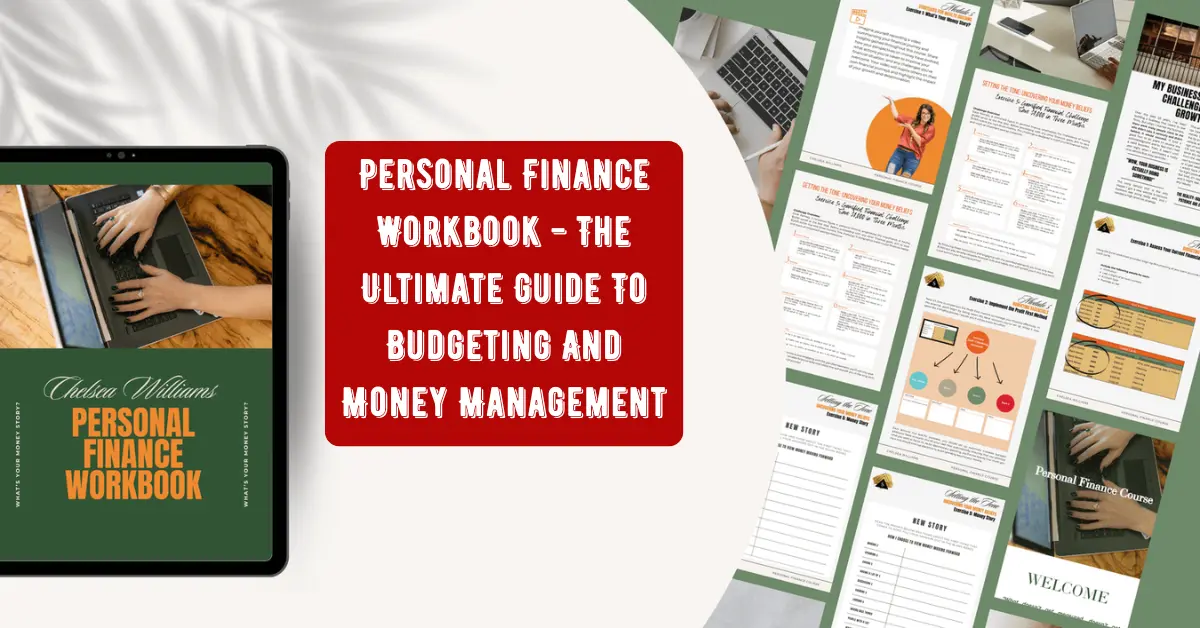
A personal finance workbook is more than just a notebook—it’s a structured tool that helps you organize your finances, plan your spending, and reach your financial goals. Unlike digital apps that automatically track your transactions, a workbook encourages active engagement, allowing you to see the bigger picture of your income, expenses, and savings habits.
Anyone can benefit from using one, whether you are a student learning to manage your first paycheck, a professional looking to grow your savings, or a family wanting to stay on top of monthly budgets. The workbook usually includes sections for tracking income, expenses, debt, savings, and financial goals, often presented in clear worksheets or tables.
Think of it as a personal finance planner in physical or digital form—guiding you step by step, building your financial awareness, and giving you the confidence to make informed money decisions. By actively writing down your financial activities, you not only keep better records but also develop habits that lead to long-term financial stability.
May be you Like it :
Financial Literacy Worksheets – Building a Strong Foundation for Money Management
Financial Literacy in the Philippines – Why It Matters and How It Can Transform Lives
Financial Literacy Articles – Why They Matter and How They Empower People
Financial Literacy Syllabus DU – A Complete Guide for Students
Benefits of Using a Personal Finance Workbook
Using a personal finance workbook comes with a host of benefits that can transform the way you handle money. Here are some of the key advantages:
Track Spending and Income Efficiently
Keeping a clear record of your income and expenses allows you to understand exactly where your money is going. With a workbook, you can see patterns, identify unnecessary spending, and make adjustments that improve your financial health.
Set and Achieve Financial Goals
Whether it’s saving for a vacation, building an emergency fund, or paying off debt, a workbook helps you set realistic goals and track your progress. By breaking goals into smaller, manageable steps, you stay motivated and accountable.
Reduce Debt and Improve Savings Habits
With sections dedicated to debt repayment and savings planning, a personal finance workbook encourages disciplined money management. You can track payments, prioritize debts, and celebrate milestones along the way.
Increase Financial Awareness and Confidence
Writing down your financial activities strengthens your understanding of money management. It builds confidence, reduces financial stress, and helps you make informed decisions instead of reacting impulsively.
Serve as a Comprehensive Money Management Guide
Beyond tracking numbers, a personal finance workbook often acts as a practical money management guide, offering tips, templates, and worksheets that guide you toward smarter financial choices.
By regularly using a workbook, you turn abstract financial concepts into concrete actions, making it easier to achieve stability and long-term wealth.
How to Choose the Right Personal Finance Workbook
Not all personal finance workbooks are created equal. Choosing the right one can make the difference between feeling overwhelmed and feeling in control of your finances. Here’s how to select a workbook that fits your needs:
Consider the Format
Workbooks come in both digital and print formats. A digital workbook can be convenient for tech-savvy users who want to track finances on the go, while a print version may suit those who prefer writing things down and visually seeing their progress.
Evaluate the Layout and Sections
Look for a workbook that includes sections for:
- Income and expense tracking
- Debt management
- Savings and investment goals
- Budget planning
- A clear, intuitive layout makes it easier to consistently use the workbook without feeling lost.
Match Your Skill Level
If you’re a beginner, choose a workbook with step-by-step guidance, examples, and simple worksheets. Experienced users may prefer a workbook with advanced features like investment tracking, cash flow analysis, or personalized budgeting templates.
Check for Bonus Tools
Some workbooks come with additional resources like calculators, tips, or downloadable worksheets. These extras act as a practical money management guide, making it easier to implement strategies effectively.
Look for Credibility
To ensure reliability, check the workbook’s author or publisher. A workbook created by a certified financial planner or a reputable financial educator adds credibility and aligns with Google’s EEAT principles.
By carefully evaluating these factors, you can choose a personal finance workbook that not only fits your lifestyle but also helps you achieve meaningful financial results.
How to Use Your Personal Finance Workbook Effectively
Having a personal finance workbook is just the first step—the real benefits come when you use it consistently and strategically. Here’s a step-by-step guide to getting the most out of your workbook:
Set Clear Financial Goals
Start by defining what you want to achieve. Whether it’s saving for a vacation, building an emergency fund, or paying off debt, writing down your goals gives you direction and motivation. Use your workbook to create short-term and long-term objectives.
Track Your Income and Expenses
Record every source of income and all your expenses, no matter how small. This simple practice helps you see exactly where your money goes and highlights areas where you can cut costs or adjust spending.
Plan Your Budget
Use your workbook’s budgeting sections to allocate funds for essentials, savings, and discretionary spending. A well-planned budget prevents overspending and keeps your financial goals on track.
Monitor Savings and Debt Repayment
Track your progress toward savings targets and debt repayment schedules. Seeing your progress visually in the workbook reinforces positive habits and encourages consistent action.
Review and Adjust Regularly
Set aside time weekly or monthly to review your workbook. Evaluate what’s working, identify challenges, and adjust your budget or goals as needed. Flexibility ensures your workbook remains a practical tool rather than just a record-keeping exercise.
Personalize Your Workbook
Customize your workbook to fit your unique needs. Add notes, highlight priorities, or include motivational quotes. Making the workbook your own increases engagement and helps you stay committed.
By following these steps, your personal finance workbook becomes a powerful money management guide that not only tracks numbers but also builds lasting financial discipline.
May be you Like it :
Financial Markets Images – Essential Visuals for Trading Charts and Stock Market Insights
Financial Markets Class 12 Notes – Complete and Easy Guide
Stock Market 2026 Predictions – Trends, Opportunities, and Risks for Investors
Stock Market Xmas Eve – How Christmas Eve Affects Trading, Investors, and Market Behavior
Financial Markets Authority New Zealand – Role, Responsibilities, and Impact on the Financial System
Tips for Maximizing Your Workbook’s Impact
Using a personal finance workbook effectively requires more than just filling in numbers—it’s about creating habits that support long-term financial success. Here are some tips to get the most out of your workbook:
Be Consistent
Consistency is key. Set aside time each day or week to update your workbook. Regular use helps you stay aware of your spending, track progress, and avoid falling behind on financial goals.
Combine With Digital Tools
While a workbook is powerful on its own, pairing it with apps or online tools can enhance your experience. Use budgeting apps to track transactions in real time and then summarize them in your workbook for deeper insights.
Set Realistic Goals
Break larger financial goals into smaller, manageable steps. This approach makes it easier to measure progress and maintain motivation. Your workbook can act as a visual tracker for each milestone achieved.
Review Frequently
Regularly reviewing your workbook ensures you stay on top of your finances. Analyze patterns, adjust budgets, and celebrate successes. Frequent reviews make your workbook a practical money management guide rather than just a record of numbers.
Personalize for Your Needs
Add sections or notes that suit your lifestyle—such as tracking subscriptions, investment goals, or side income. Personalization keeps the workbook engaging and ensures it reflects your unique financial journey.
Seek Expert Advice When Needed
For complex financial decisions, consulting a certified financial planner or using trusted resources can enhance your workbook’s effectiveness. Combining expert guidance with your workbook strengthens your financial strategy and credibility.
By following these tips, your personal finance workbook becomes a tool that not only tracks finances but also guides you toward better habits, smarter decisions, and long-term financial confidence.
Recommended Personal Finance Workbooks
Choosing the right personal finance workbook can feel overwhelming, so we’ve compiled a list of some highly regarded options that cater to different needs. These workbooks combine practical tools, expert guidance, and user-friendly layouts to help you manage your money effectively.
The Total Money Makeover Workbook
- Author: Dave Ramsey, financial expert
- Best for: Debt management and budgeting
- Why it’s great: Provides step-by-step guidance for paying off debt, building savings, and creating a long-term financial plan. Includes worksheets and action plans that make tracking progress simple.
Smart Money Workbook: A Guide for Adults
- Author: Emily Guy Birken, personal finance educator
- Best for: Tracking expenses and building financial habits
- Why it’s great: Offers practical worksheets for income, expenses, and goal tracking. Ideal for anyone looking to build a structured financial routine.
Your Money or Your Life Workbook
- Author: Vicki Robin, money management expert
- Best for: Comprehensive financial planning
Why it’s great: Focuses on aligning spending with values, tracking income and expenses, and optimizing savings. Perfect for those who want a holistic approach to money management.
Budgeting Workbook for Beginners
- Author: Personal finance educators
- Best for: Beginners or those new to financial planning
- Why it’s great: Simple, easy-to-follow sections for budgeting, saving, and debt tracking. Offers clear templates that can be personalized for any lifestyle.
Using any of these workbooks allows you to apply the concepts and strategies we’ve discussed throughout this article. They serve not only as practical tools but also as trusted money management guides, helping you take control of your finances with confidence.
Conclusion
A personal finance workbook is more than just a tool—it’s a roadmap to financial clarity, stability, and confidence. By tracking your income and expenses, setting clear goals, and consistently reviewing your progress, you can take control of your money, reduce stress, and make smarter financial decisions.
Whether you are a beginner looking to build healthy money habits or someone seeking a structured money management guide, using a workbook can transform the way you approach your finances. Start today by choosing a workbook that fits your needs, personalize it to match your goals, and commit to regular use.
Taking small, consistent steps with a personal finance workbook can lead to long-term financial success and peace of mind. Don’t wait—start your journey toward smarter money management today.
May be you Like it :
Personal Finance with Ravi Sharma Complete Guide To Smart Money Management
Personal Finance Workbook – The Ultimate Guide To Budgeting And Money Management
Personal Finance Moultrie GA – Expert Tips for Budgeting And Money Management
Personal Finance Tracker Excel Template – Easy Budget Planner for Monthly Expenses
Personal Finance 101 Book PDF – Money Management Tips for Beginners
Tax Planning for Business Owners Complete Guide To Save Taxes
