

Introduction
In today’s fast-paced economic world, financial decisions influence nearly every aspect of our lives. From budgeting and saving to investing and retirement planning, individuals are constantly required to make choices that affect their financial well-being. Despite this reality, many people lack the knowledge and skills needed to manage their money effectively. This is where the concept of financial literacy becomes critically important.
One practical and widely used tool for evaluating financial knowledge is the financial literacy questionnaire. This assessment helps individuals, educators, financial institutions, and researchers understand how well people grasp basic financial concepts. By identifying strengths and weaknesses in financial knowledge, these questionnaires can guide education programs, personal improvement strategies, and policy initiatives aimed at enhancing financial capability.
This article explores the concept of a financial literacy questionnaire in depth. We will examine what it is, why it matters, how it works, the types of questions it typically includes, and how individuals and organizations can use it to improve financial awareness.
Understanding Financial Literacy
Before diving into the details of a financial literacy questionnaire, it is essential to understand what financial literacy means.
Financial literacy refers to the ability to understand and apply financial skills such as budgeting, saving, investing, borrowing, and financial planning. It includes knowledge of financial products, awareness of financial risks, and the capacity to make informed decisions about money.
A financially literate individual can:
- Create and maintain a personal budget
- Manage debt responsibly
- Understand interest rates and inflation
- Make informed investment decisions
- Plan for long-term financial goals such as retirement
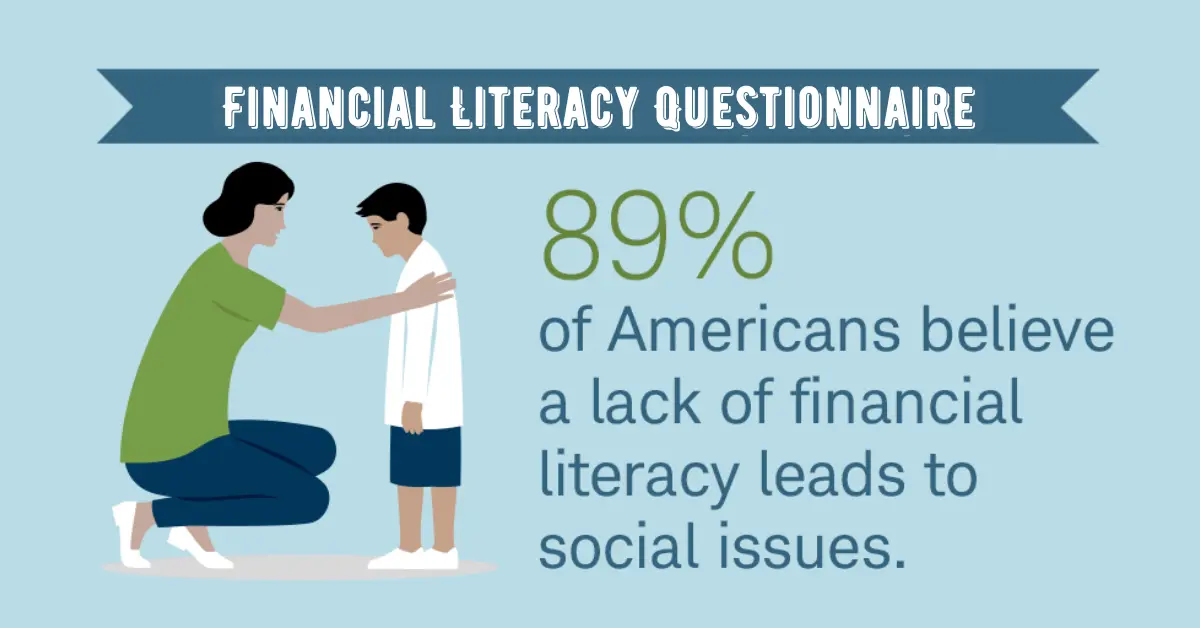
Unfortunately, studies across many countries show that financial literacy levels are often low. Many adults struggle with basic financial concepts, which can lead to poor decisions, high debt levels, and financial stress.
This gap in knowledge is one of the main reasons financial literacy assessments have become increasingly important.
May be you Like it :
Financial Literacy Worksheets – Building a Strong Foundation for Money Management
Financial Literacy in the Philippines – Why It Matters and How It Can Transform Lives
Financial Literacy Articles – Why They Matter and How They Empower People
Financial Literacy Syllabus DU – A Complete Guide for Students
What Is a Financial Literacy Questionnaire?
A financial literacy questionnaire is a structured set of questions designed to evaluate a person’s understanding of financial concepts and money management skills.
These questionnaires are commonly used by:
- Schools and universities
- Financial institutions
- Government agencies
- Nonprofit organizations
- Researchers studying financial behavior
The goal of a financial literacy questionnaire is not simply to test knowledge but to identify areas where individuals may need more education or support.
For example, a questionnaire might evaluate whether someone understands:
- How compound interest works
- The difference between saving and investing
- The risks and benefits of credit
- The importance of diversification in investing
The results can help determine a person’s level of financial knowledge and guide them toward improving their financial skills.
Why Financial Literacy Questionnaires Are Important
1. Identifying Knowledge Gaps
Many people assume they understand financial concepts until they are tested. A financial literacy questionnaire can reveal gaps in knowledge that might otherwise go unnoticed.
For instance, someone may believe they understand loans but may not realize how interest accumulates over time.
2. Improving Financial Education Programs
Educators often use financial literacy questionnaires to measure the effectiveness of their programs. By comparing results before and after training, they can determine whether participants have improved their financial knowledge.
3. Supporting Better Financial Decisions
When individuals understand their weaknesses in financial knowledge, they are more likely to seek information and improve their decision-making skills.
4. Informing Public Policy
Governments and policymakers often use financial literacy surveys to understand the financial capabilities of the population. This data can help design policies aimed at improving financial education.
5. Encouraging Personal Awareness
Taking a financial literacy questionnaire can encourage individuals to reflect on their financial habits and behaviors. This awareness is often the first step toward financial improvement.
Key Areas Covered in a Financial Literacy Questionnaire
Most financial literacy questionnaires focus on several core financial topics. These topics represent the fundamental knowledge required for responsible money management.
1. Budgeting and Money Management
Questions in this section assess a person’s ability to plan and control their income and expenses.
Examples may include:
- Understanding monthly income and expenses
- Creating a household budget
- Managing spending habits
Budgeting is the foundation of financial stability, and questionnaires often test whether individuals understand how to allocate their resources effectively.
2. Saving and Emergency Funds
Saving money is essential for financial security. Financial literacy questionnaires often include questions about:
- The importance of saving regularly
- Emergency funds
- Short-term vs long-term savings
Many experts recommend keeping three to six months of living expenses in an emergency fund, and a questionnaire may evaluate whether respondents are aware of this principle.
3. Interest Rates and Compound Interest
Interest rates are one of the most important financial concepts, yet many people misunderstand them.
A financial literacy questionnaire may ask questions such as:
- How compound interest works
- How long it takes money to double with interest
- The difference between simple and compound interest
Understanding interest is critical for both saving and borrowing decisions.
4. Debt and Credit Management
Debt can be a useful financial tool when used responsibly, but it can also lead to serious financial problems.
Questionnaires often evaluate knowledge about:
- Credit cards
- Loan interest rates
- Credit scores
- Responsible borrowing
Individuals who understand credit management are more likely to avoid excessive debt and maintain good financial health.
5. Investing and Risk
Investing is another common topic in financial literacy questionnaires.
Questions may cover:
- Stocks and bonds
- Risk and return
- Diversification
- Long-term investment strategies
Understanding investment principles helps individuals grow their wealth over time.
6. Inflation and Purchasing Power
Inflation reduces the value of money over time, which makes it an important concept in financial planning.
A questionnaire might ask whether respondents understand:
- How inflation affects savings
- Why investing can help protect purchasing power
- The relationship between inflation and interest rates
7. Retirement Planning
Planning for retirement requires long-term thinking and financial discipline.
Financial literacy questionnaires often evaluate whether individuals understand:
- Retirement savings accounts
- Pension systems
- Long-term investment strategies
- The importance of starting early
May be you Like it :
Financial Markets Images – Essential Visuals for Trading Charts and Stock Market Insights
Financial Markets Class 12 Notes – Complete and Easy Guide
Stock Market 2026 Predictions – Trends, Opportunities, and Risks for Investors
Stock Market Xmas Eve – How Christmas Eve Affects Trading, Investors, and Market Behavior
Financial Markets Authority New Zealand – Role, Responsibilities, and Impact on the Financial System
Types of Questions in a Financial Literacy Questionnaire
Financial literacy questionnaires can include various types of questions depending on the purpose of the assessment.
Multiple-Choice Questions
These are the most common format because they are easy to score and analyze.
Example:
If you deposit money in a savings account with a 5% annual interest rate, what will happen to your money over time?
A. It will stay the same
B. It will decrease
C. It will grow
True or False Questions
These questions test basic knowledge quickly.
Example:
“Inflation reduces the purchasing power of money.”
True or False.
Scenario-Based Questions
These questions present real-life financial situations and ask respondents to choose the best course of action.
Example:
You receive a monthly salary but often run out of money before the end of the month. What is the best step to take?
A. Use credit cards to cover expenses
B. Create a budget and track spending
C. Borrow money from friends regularly
Self-Assessment Questions
Some questionnaires include questions about financial behavior rather than knowledge.
Examples include:
- Do you regularly track your expenses?
- Do you have an emergency savings fund?
- How confident are you in making financial decisions?
These questions help evaluate financial habits and attitudes.
Who Uses Financial Literacy Questionnaires?
Financial literacy questionnaires are used in many different contexts.
Educational Institutions
Schools and universities use these questionnaires to teach students about money management. Financial education programs often begin with an assessment to determine students’ knowledge levels.
Financial Institutions
Banks and financial organizations sometimes use questionnaires to understand customer knowledge and provide targeted financial education resources.
Government Agencies
Governments conduct national financial literacy surveys to measure financial knowledge across the population.
These surveys help policymakers design financial education programs and economic policies.
Employers
Some companies include financial literacy assessments in employee wellness programs to help workers manage their finances and reduce financial stress.
Researchers
Academic researchers use financial literacy questionnaires to study financial behavior and decision-making patterns.
Benefits of Taking a Financial Literacy Questionnaire
Taking a financial literacy questionnaire offers several benefits.
1. Personal Awareness
Many people become more aware of their financial habits after completing a questionnaire.
2. Improved Financial Confidence
Understanding financial concepts can increase confidence when making decisions about money.
3. Better Financial Planning
Knowledge gained through assessment can help individuals create better financial plans.
4. Reduced Financial Stress
People who understand their finances tend to experience less stress and anxiety about money.
5. Long-Term Financial Stability
Improving financial literacy can lead to better saving habits, smarter investments, and greater long-term security.
How to Create an Effective Financial Literacy Questionnaire
Designing a financial literacy questionnaire requires careful planning.
Define the Purpose
The first step is determining the goal of the questionnaire.
Possible goals include:
- Assessing basic financial knowledge
- Evaluating financial behavior
- Measuring the effectiveness of education programs
Select Key Financial Topics
The questionnaire should cover essential financial concepts such as budgeting, saving, investing, and debt management.
Use Clear and Simple Language
Financial terms can be confusing for beginners, so questions should be written in simple language.
Include Real-Life Scenarios
Practical scenarios help evaluate how respondents apply financial knowledge in real situations.
Keep It Balanced
An effective questionnaire includes a mix of easy, moderate, and challenging questions.
Ensure Reliability and Accuracy
Questions should be tested to ensure they accurately measure financial knowledge.
Example Financial Literacy Questionnaire
Below is a simplified sample questionnaire.
- What is the purpose of a budget?
- What does compound interest mean?
- Why is diversification important in investing?
- What is an emergency fund?
- How does inflation affect savings?
- What is a credit score?
- What is the main difference between saving and investing?
- Why is it important to pay credit card bills on time?
- What does risk mean in investing?
- Why should people start saving for retirement early?
These questions provide a basic overview of financial knowledge.
Improving Financial Literacy After the Questionnaire
Taking a financial literacy questionnaire is only the first step. The real value comes from using the results to improve financial knowledge.
Ways to improve financial literacy include:
- Reading personal finance books
- Taking financial education courses
- Attending financial workshops
- Using budgeting tools and apps
- Consulting financial advisors
Continuous learning is essential because financial markets and economic conditions change over time.
The Future of Financial Literacy Assessments
As technology evolves, financial literacy questionnaires are becoming more interactive and personalized.
Digital platforms now offer:
- Online financial assessments
- Personalized financial learning paths
- Interactive financial simulations
- AI-based financial education tools
These innovations make financial education more accessible and engaging for people around the world.
Conclusion
Financial literacy is a critical life skill that affects financial stability, economic growth, and overall well-being. Unfortunately, many people lack the knowledge needed to make informed financial decisions.
A financial literacy questionnaire is a valuable tool for measuring financial knowledge and identifying areas where improvement is needed. By assessing understanding of key concepts such as budgeting, saving, investing, and debt management, these questionnaires help individuals and organizations promote better financial education.
Whether used in schools, workplaces, research studies, or personal development, financial literacy questionnaires play an essential role in building a financially informed society.
Ultimately, improving financial literacy empowers individuals to take control of their financial futures, reduce financial stress, and achieve long-term financial success.
May be you Like it :
Personal Finance with Ravi Sharma Complete Guide To Smart Money Management
Personal Finance Workbook – The Ultimate Guide To Budgeting And Money Management
Personal Finance Moultrie GA – Expert Tips for Budgeting And Money Management
Personal Finance Tracker Excel Template – Easy Budget Planner for Monthly Expenses
Personal Finance 101 Book PDF – Money Management Tips for Beginners
Tax Planning for Business Owners Complete Guide To Save Taxes
