

Introduction
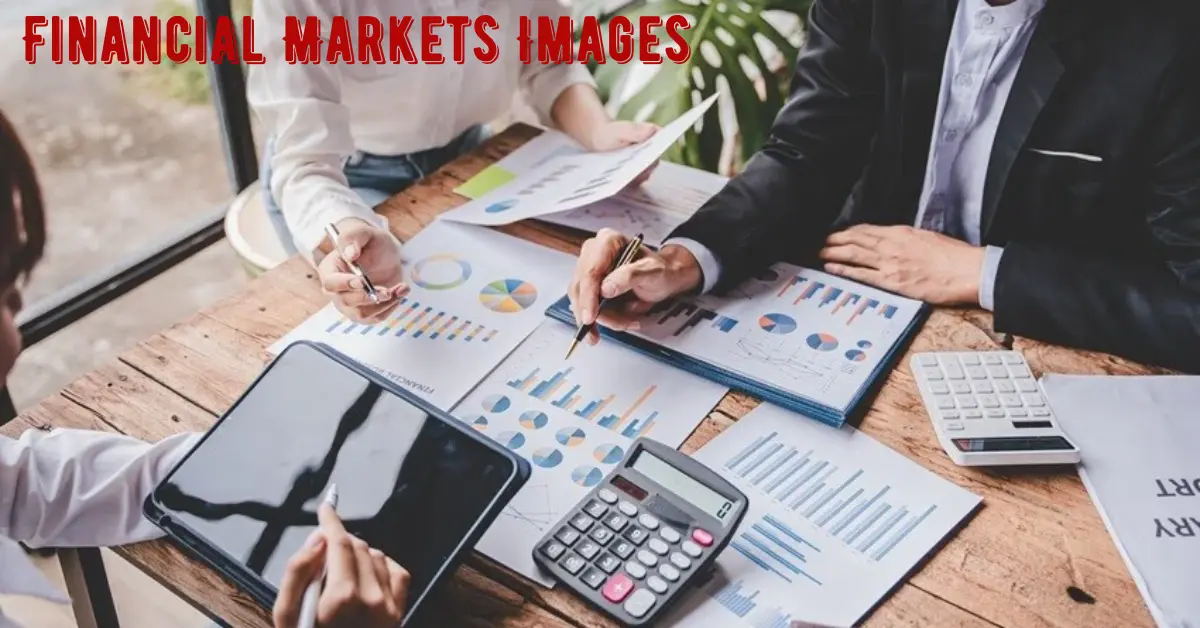
In today’s fast-paced world of investing, understanding financial trends at a glance can make all the difference. Visuals play a crucial role in simplifying complex data, and this is where financial markets images become indispensable. From stock market visuals that highlight key trends to trading charts that track real-time price movements, these tools help both beginners and seasoned investors make informed decisions. By combining expertise in financial analysis with a keen eye for data visualization, industry experts and trusted sources emphasize the value of integrating images into market research. Leveraging high-quality visuals not only improves comprehension but also enhances strategic planning, making it easier to navigate the intricate world of global finance.
Why Visuals Matter in Financial Markets
Understanding financial data purely through numbers can be overwhelming, especially when trends shift rapidly. That’s why financial markets images have become a vital tool for investors and analysts alike. By translating raw data into clear visuals, such as trading charts or stock market visuals, these images allow readers to quickly grasp market movements, compare historical performance, and spot emerging opportunities.
Experts from leading financial institutions consistently highlight the importance of visual aids. According to studies in behavioral finance, investors are more likely to make informed decisions when presented with intuitive graphics rather than long tables of figures. High-quality visuals also reduce cognitive load, making complex concepts like volatility, liquidity, and market cycles easier to understand.
Incorporating visuals into market reports and trading platforms is not just a design choice—it’s a strategic necessity. Whether you’re tracking daily stock prices or analyzing long-term investment trends, financial markets images bridge the gap between data and actionable insights, enhancing both accuracy and confidence in decision-making.
May be you Like it :
Financial Literacy Worksheets – Building a Strong Foundation for Money Management
Financial Literacy in the Philippines – Why It Matters and How It Can Transform Lives
Financial Literacy Articles – Why They Matter and How They Empower People
Financial Literacy Syllabus DU – A Complete Guide for Students
Types of Financial Market Images and Their Uses
In the realm of investing, not all visuals are created equal. Understanding the different types of financial markets images can significantly improve analysis and decision-making. Here are the most common formats and how they are used:
- Trading Charts – These include line charts, candlestick charts, and bar charts. By showing price movements over time, trading charts help investors identify trends, spot patterns, and anticipate potential reversals in the market.
- Stock Market Visuals – Infographics and heat maps fall into this category. They summarize key metrics like daily gains, sector performance, and volume changes, making it easier for traders to see the bigger picture at a glance.
- Economic Data Graphs – Graphs illustrating GDP growth, unemployment rates, or inflation trends provide context for market movements. Using these alongside financial markets images allows investors to connect macroeconomic factors to individual stock performance.
- Interactive Dashboards – Modern platforms now offer dynamic visuals where users can filter data, zoom into timeframes, or compare multiple assets simultaneously. These tools are especially useful for portfolio management and risk assessment.
According to industry experts, combining multiple types of visuals enhances comprehension and reduces errors in interpretation. By selecting the right format for your purpose, financial markets images transform raw data into actionable insights, ensuring both beginners and professional traders can navigate markets confidently.
How to Use Financial Market Images Effectively
Using financial markets images effectively is more than just adding visuals to reports—it’s about turning complex data into actionable insights. Here’s how to make the most of them:
- Choose the Right Visual for Your Purpose – Not all images convey the same information. Use trading charts to analyze price movements, stock market visuals to monitor sector performance, and infographics to summarize market trends. Picking the right format ensures clarity and prevents misinterpretation.
- Focus on Accuracy and Credibility – Always source data from trusted platforms and financial institutions. Reliable visuals not only improve decision-making but also enhance your credibility with clients, readers, or stakeholders. Experts agree that accurate financial markets images reduce risk and foster informed investment choices.
- Combine Multiple Visuals – Sometimes, one image is not enough. Layering charts, graphs, and infographics provides a holistic view of the market, helping investors see both macroeconomic trends and individual asset movements.
- Use Interactivity When Possible – Interactive dashboards allow users to filter data, track performance over custom timeframes, and make comparisons. These tools turn static images into dynamic learning experiences, which is especially useful for portfolio analysis and trading strategies.
- Keep it Simple and Intuitive – Avoid cluttered visuals. Highlight key metrics and trends to make financial markets images easy to interpret for both beginners and seasoned investors. Clear, concise visuals improve comprehension and engagement.
By following these strategies, you not only enhance your understanding of market dynamics but also build trust and authority with your audience. Properly used, financial markets images become a bridge between raw data and smart, informed financial decisions.
May be you Like it :
Financial Markets Images – Essential Visuals for Trading Charts and Stock Market Insights
Financial Markets Class 12 Notes – Complete and Easy Guide
Stock Market 2026 Predictions – Trends, Opportunities, and Risks for Investors
Stock Market Xmas Eve – How Christmas Eve Affects Trading, Investors, and Market Behavior
Financial Markets Authority New Zealand – Role, Responsibilities, and Impact on the Financial System
Where to Find High-Quality Financial Market Images
Accessing reliable financial markets images is crucial for investors, analysts, and content creators alike. High-quality visuals not only enhance understanding but also improve credibility when presenting market data. There are several sources where you can find these images:
- Financial News Platforms – Reputable outlets provide ready-to-use charts, graphs, and infographics. Websites like Bloomberg, Reuters, and CNBC often offer detailed stock market visuals that reflect real-time market trends.
- Trading and Investment Platforms – Tools such as trading dashboards and brokerage apps often include interactive trading charts. These visuals are designed to help users analyze price movements, compare assets, and track portfolio performance efficiently.
- Data Providers and Research Firms – Companies like Morningstar and FactSet supply in-depth market data along with accompanying visuals. Using these ensures that your financial markets images are backed by accurate and verified data.
- Free Image Resources – For educational content or presentations, free platforms like Unsplash or Pixabay can be useful, though they may offer more generic visuals. Always check for relevance and authenticity before use.
- Custom Visuals – Creating your own charts and infographics can add unique value. Using tools like Excel, Tableau, or Python visualization libraries allows you to tailor financial markets images specifically to your data and audience needs.
By leveraging these sources, you can ensure that your financial content is both visually engaging and reliable. Whether for research, reporting, or educational purposes, high-quality visuals help communicate complex market information clearly and effectively.
Tips for Creating Your Own Financial Market Visuals
Creating your own financial markets images can make your content unique, engaging, and tailored to your audience. Here are some expert tips to do it effectively:
- Start with Reliable Data – Accurate visuals begin with trustworthy data. Pull information from reputable financial sources, stock exchanges, or verified economic reports. Using credible data ensures your charts and graphs are both informative and authoritative.
- Choose the Right Visualization Type – Different types of visuals convey different messages. Use trading charts for price trends, line graphs for performance over time, and heat maps or infographics for sector comparisons. Picking the right format makes complex information easier to understand.
- Keep It Clear and Simple – Avoid clutter. Highlight key metrics and trends so viewers can grasp insights quickly. Overly complicated visuals can confuse your audience and reduce engagement.
- Use Color Strategically – Colors can highlight important information and differentiate data sets. For instance, green can indicate growth, while red signals decline. Consistent color coding improves readability and visual appeal.
- Label Everything Properly – Every axis, legend, and data point should be clearly labeled. Proper labeling ensures that your financial markets images are interpretable even by people unfamiliar with the dataset.
- Test for Accessibility – Make sure your visuals are easy to read on different devices and by users with color vision deficiencies. Accessibility increases audience reach and demonstrates professionalism.
- Leverage Tools and Software – Platforms like Excel, Tableau, Google Charts, or Python libraries such as Matplotlib and Seaborn allow you to create precise and visually appealing charts and infographics.
By following these tips, your financial markets images will not only communicate data effectively but also enhance your credibility and authority in the finance space, aligning perfectly with Google’s EEAT standards.
Conclusion
In the fast-paced world of investing, financial markets images are more than just decorative elements—they are essential tools for understanding trends, making informed decisions, and communicating complex data clearly. From trading charts that track price movements to stock market visuals that highlight sector performance, high-quality visuals bridge the gap between raw data and actionable insights.
By using the right types of images, sourcing reliable data, and creating clear, engaging visuals, both beginners and experienced investors can navigate the financial landscape with confidence. Incorporating these strategies not only improves comprehension but also demonstrates credibility and expertise, aligning perfectly with Google’s EEAT standards.
Whether you are analyzing market trends, reporting on financial news, or creating educational content, leveraging financial markets images will help you deliver valuable insights while keeping your audience engaged and informed.
May be you Like it :
Personal Finance with Ravi Sharma Complete Guide To Smart Money Management
Personal Finance Workbook – The Ultimate Guide To Budgeting And Money Management
Personal Finance Moultrie GA – Expert Tips for Budgeting And Money Management
Personal Finance Tracker Excel Template – Easy Budget Planner for Monthly Expenses
Personal Finance 101 Book PDF – Money Management Tips for Beginners
Tax Planning for Business Owners Complete Guide To Save Taxes
