

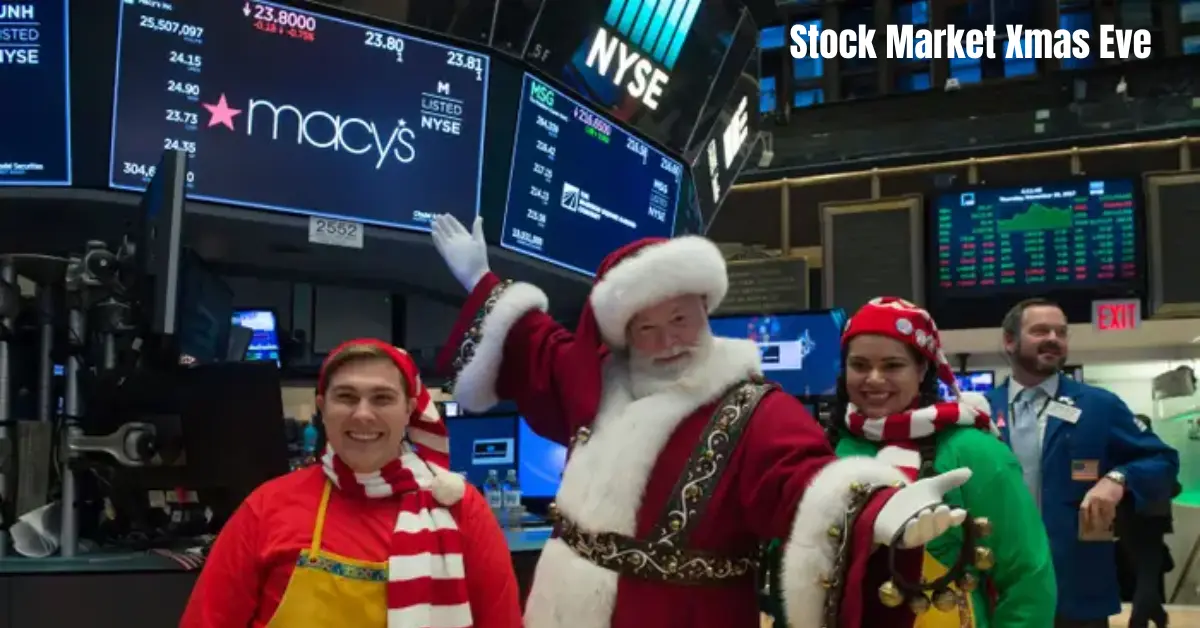
Every year, as the holiday season reaches its peak, financial markets around the world begin to slow down. One of the most interesting days for investors and traders is Christmas Eve, when the stock market operates under unique conditions. The term “stock market Xmas Eve” often refers to the behavior, schedule, and performance of financial markets on December 24, a day when holiday spirit meets global finance.
Although the festive atmosphere dominates much of the world, markets remain an important part of the economic landscape—even on holidays. However, Christmas Eve trading is quite different from regular trading days. Market hours are shorter, trading volumes are usually lighter, and investor sentiment can shift in subtle ways.
Understanding how the stock market behaves on Christmas Eve can help investors make smarter decisions, avoid common pitfalls, and even take advantage of seasonal trends. In this article, we will explore how the stock market operates on Christmas Eve, why trading patterns change during the holiday season, historical market trends, and how investors can navigate this unique day in the financial calendar.
What Happens in the Stock Market on Christmas Eve?
Christmas Eve is not a full market holiday in many countries, but it is often treated as a shortened trading day. In the United States, for example, major exchanges like the New York Stock Exchange and NASDAQ usually close early when December 24 falls on a weekday.
Typically, U.S. markets close around 1:00 PM Eastern Time instead of the usual 4:00 PM closing time. Bond markets often close even earlier. This shortened schedule means traders have fewer hours to buy and sell securities, which affects liquidity and volatility.
When Christmas Eve falls on a weekend, markets may adjust their schedules. If it lands on Saturday or Sunday, markets usually remain open on the surrounding weekdays without any special early closure.
Because trading time is limited, institutional investors often complete most of their activity earlier in the week. As a result, Christmas Eve tends to be a quieter day in the markets.
May be you Like it :
Financial Literacy Worksheets – Building a Strong Foundation for Money Management
Financial Literacy in the Philippines – Why It Matters and How It Can Transform Lives
Financial Literacy Articles – Why They Matter and How They Empower People
Financial Literacy Syllabus DU – A Complete Guide for Students
Why Trading Volume Drops on Christmas Eve
One of the most noticeable features of stock market activity on Christmas Eve is low trading volume. Several factors contribute to this trend.
1. Holiday Travel and Time Off
Many traders, portfolio managers, and institutional investors take time off during the holiday season. With fewer professionals actively trading, overall market activity naturally declines.
Large financial institutions often reduce staffing levels during the final days before Christmas, which further limits trading activity.
2. Portfolio Adjustments Already Completed
By late December, many investors have already completed their year-end portfolio adjustments. These adjustments include tax-loss harvesting, rebalancing portfolios, and locking in profits or losses before the end of the fiscal year.
Because these tasks are usually finished earlier in the month, Christmas Eve sees fewer major transactions.
3. Institutional Trading Slowdown
Institutional investors such as hedge funds and pension funds play a major role in driving market volume. During the holidays, these institutions often reduce activity to avoid unnecessary risk in thin markets.
This leads to less liquidity, meaning fewer shares are being bought and sold.
Historical Market Trends Around Christmas Eve
Despite lower trading volume, historical data suggests that markets often perform surprisingly well during the final days of December.
This phenomenon is sometimes connected to the well-known “Santa Claus Rally.”
The Santa Claus Rally
The Santa Claus Rally refers to a seasonal trend where stock prices tend to rise during the last five trading days of the year and the first two trading days of the new year.
The term was popularized by Yale Hirsch, who documented the pattern in market history.
The rally is often measured using major indices like the S&P 500, Dow Jones Industrial Average, and NASDAQ Composite.
While Christmas Eve itself is not always part of the rally window, it often contributes to the positive sentiment seen during this period.
Why the Santa Claus Rally Happens
Several theories attempt to explain why stocks sometimes rise around Christmas:
- Optimism during the holiday season
- Lower trading volumes leading to smoother price movements
- Institutional investors positioning portfolios for the new year
- Retail investors increasing participation
Although the pattern does not occur every year, it remains one of the most discussed seasonal trends in finance.
Market Psychology During the Holiday Season
Investor psychology plays an important role in stock market movements, and holidays can subtly influence sentiment.
Positive Mood Effect
Research in behavioral finance suggests that people tend to feel more optimistic and generous during holidays. This positive mood can translate into greater willingness to invest or take risks in financial markets.
Even professional investors are not immune to psychological influences.
Reduced Panic Selling
Because markets are quieter and investors are less focused on trading, panic selling is less common on Christmas Eve. Lower volatility sometimes leads to stable or slightly rising prices.
However, this is not guaranteed. Major economic news or geopolitical events can still move markets sharply—even during the holidays.
How Global Markets Handle Christmas Eve
Different countries treat Christmas Eve differently in their financial markets.
United States
As mentioned earlier, exchanges like the New York Stock Exchange and NASDAQ usually close early when December 24 is a weekday.
Europe
Many European markets also operate shortened sessions on Christmas Eve. Exchanges such as the London Stock Exchange and Euronext often close early or operate with limited trading hours.
Asia
Asian markets vary widely. Some exchanges remain open with regular hours, while others may close early depending on local holiday traditions.
For example, the Tokyo Stock Exchange generally maintains normal trading hours since Christmas is not a major public holiday in Japan.
May be you Like it :
Financial Markets Images – Essential Visuals for Trading Charts and Stock Market Insights
Financial Markets Class 12 Notes – Complete and Easy Guide
Stock Market 2026 Predictions – Trends, Opportunities, and Risks for Investors
Stock Market Xmas Eve – How Christmas Eve Affects Trading, Investors, and Market Behavior
Financial Markets Authority New Zealand – Role, Responsibilities, and Impact on the Financial System
Risks of Trading on Christmas Eve
Although trading on Christmas Eve can appear calm and predictable, there are several risks investors should consider.
1. Low Liquidity
When trading volume is low, it becomes harder to execute large trades without affecting prices. Even moderate orders can move the market more than usual.
This can create unexpected price swings.
2. Wider Bid-Ask Spreads
Lower liquidity often leads to wider bid-ask spreads. This means investors may pay more when buying and receive less when selling.
For active traders, these costs can reduce profitability.
3. Limited Market Reaction
If important news breaks on Christmas Eve, the market may not fully react due to low participation. Prices might adjust more dramatically once regular trading resumes after the holiday.
Opportunities for Investors
Despite the risks, some investors view Christmas Eve as an opportunity.
Seasonal Trading Strategies
Certain traders follow seasonal patterns such as the Santa Claus Rally or year-end momentum strategies.
These strategies attempt to benefit from historical trends during the final days of the year.
Long-Term Investing
For long-term investors, Christmas Eve may simply represent a calm moment to review portfolios and plan for the upcoming year.
Many investors use this time to:
- Evaluate annual performance
- Review asset allocation
- Set financial goals for the next year
Dividend and Tax Planning
Late December can also be important for tax planning. Investors may adjust positions before the year closes to optimize capital gains and losses.
Christmas Eve and Retail Investors
In recent years, the rise of online trading platforms and mobile investing apps has changed how individuals participate in the market.
Retail investors now make up a larger portion of trading activity. Platforms like Robinhood Markets, Charles Schwab Corporation, and Fidelity Investments allow users to trade stocks easily—even during shortened sessions.
However, many retail investors also step away from trading during the holidays, contributing to the lower market activity typically seen on Christmas Eve.
Economic News and Christmas Eve
Economic reports are usually limited during the holiday period, but occasionally important announcements can still occur.
For example, data related to:
- Consumer spending
- Inflation
- Employment trends
may influence markets even during holiday trading.
Because Christmas shopping plays a major role in many economies, retail sales data around this time can have a noticeable effect on certain stocks, especially companies in the consumer sector.
Famous Christmas Eve Market Moments
Although most Christmas Eve trading sessions are quiet, history has recorded some notable moments.
Market Optimism After Crises
In some years following economic downturns, Christmas Eve trading has reflected renewed optimism. Investors sometimes use the holiday season as a psychological turning point for the markets.
Strong Year-End Rallies
Several years have seen strong market performance during the final trading days of December, contributing to positive annual returns for major indices.
While these patterns are not guaranteed, they reinforce the importance of understanding seasonal market behavior.
How Professional Traders Approach Christmas Eve
Professional traders often approach Christmas Eve with caution.
Common strategies include:
- Reducing position sizes
- Avoiding high-risk trades
- Closing short-term positions before the holiday
Many traders prefer to lock in profits rather than expose themselves to unpredictable market movements during low-volume sessions.
For hedge funds and large institutions, risk management becomes a top priority as the year comes to an end.
Tips for Investors During Christmas Eve Trading
If you plan to trade on Christmas Eve, consider the following tips.
Know the Market Schedule
Always check whether your exchange has early closing hours.
Avoid Large Orders
Large trades may significantly move prices in thin markets.
Watch for Holiday Volatility
Even though markets are quieter, sudden price movements can still occur.
Focus on Long-Term Strategy
Instead of reacting to short-term fluctuations, keep your long-term investment goals in mind.
The Broader Meaning of Christmas Eve for Investors
Beyond trading patterns and market trends, Christmas Eve represents something deeper for many investors.
It marks the end of the financial year, a time for reflection, evaluation, and planning.
Investors often review their:
- Annual returns
- Investment strategies
- Financial goals
This reflection can lead to improved decision-making in the upcoming year.
The Future of Christmas Eve Trading
As technology continues to transform financial markets, the nature of Christmas Eve trading may evolve.
Algorithmic trading and automated investment systems now play a major role in market activity. These systems operate regardless of holidays, meaning some level of trading will always continue.
However, human participation still drives much of the market’s behavior. As long as traders and investors celebrate holidays, Christmas Eve will likely remain a quiet but meaningful day in global finance.
Conclusion
The concept of stock market Xmas Eve reflects the fascinating intersection of finance and holiday tradition. While markets do not completely shut down, trading conditions on December 24 are very different from a typical day.
Shortened trading hours, reduced liquidity, and shifting investor sentiment create a unique environment in the financial world. Historical patterns such as the Santa Claus Rally add another layer of intrigue, making the final trading days of the year a subject of ongoing interest among analysts and investors.
For some, Christmas Eve trading presents opportunities tied to seasonal trends. For others, it simply marks a peaceful pause before the start of a new financial year.
May be you Like it :
Personal Finance with Ravi Sharma Complete Guide To Smart Money Management
Personal Finance Workbook – The Ultimate Guide To Budgeting And Money Management
Personal Finance Moultrie GA – Expert Tips for Budgeting And Money Management
Personal Finance Tracker Excel Template – Easy Budget Planner for Monthly Expenses
Personal Finance 101 Book PDF – Money Management Tips for Beginners
Tax Planning for Business Owners Complete Guide To Save Taxes
